Applications
Who we coat vehicles for, and what the spec looks like on each kind of unit.
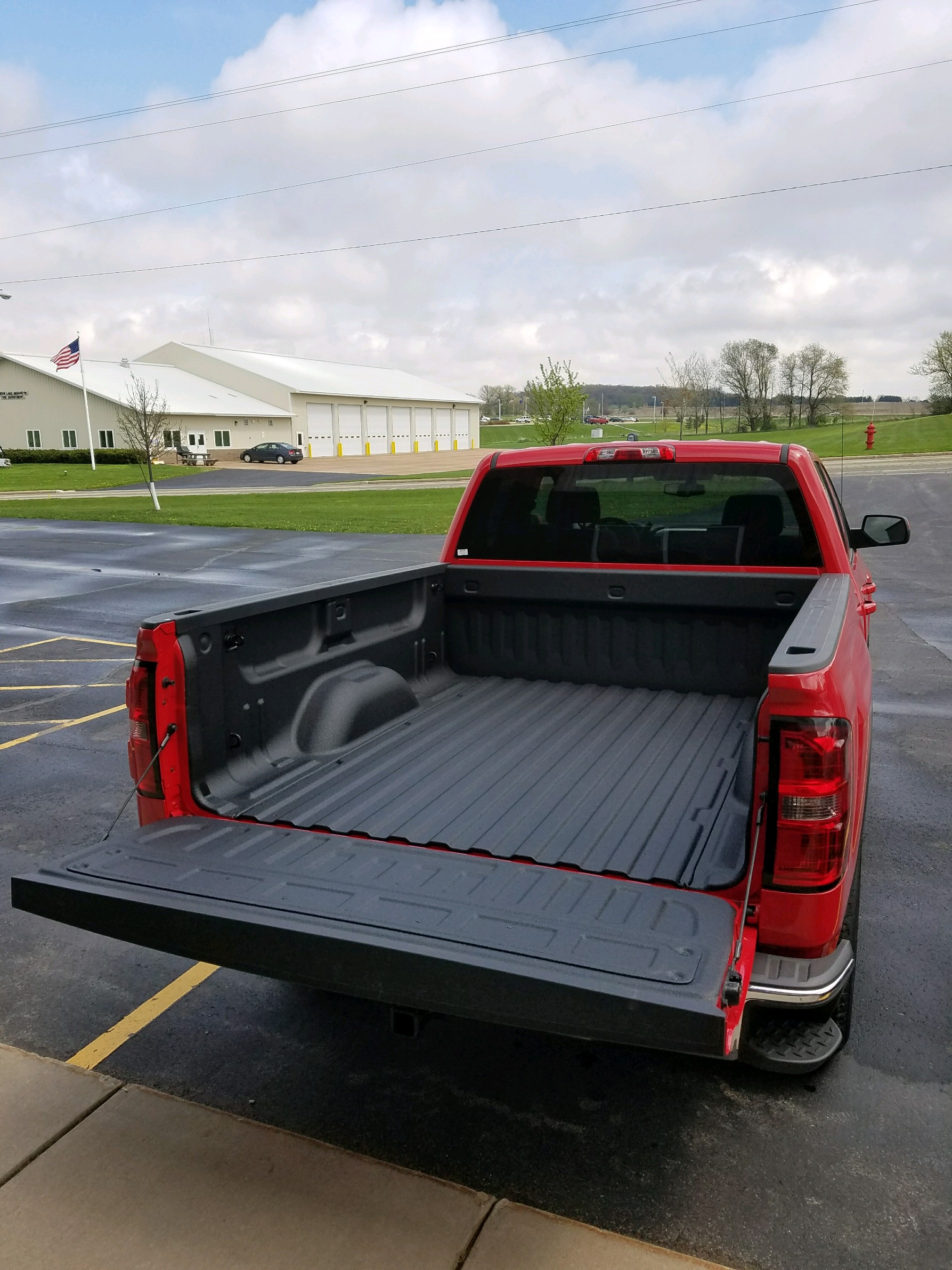
Municipal & Utility Fleets
Nobody in North America sees more chloride than a municipal fleet, because they are the ones spreading it. Plow trucks, spreaders, and the pickups that follow them run through brine for four months a year and then park wet.
Fleet economics also make the case cleanest. When a unit is on a ten- or twelve-year replacement cycle, an underbody coating applied at year one or two changes what the vehicle is worth at year eight — both in resale and in the deferred cost of frame and body repair. That is a number a fleet manager can put in front of a council or a board.
Coating on intake, before the first winter, is dramatically cheaper than remediating at year four. Schedule it with new-unit upfitting.
Spec: FJ1 at 60–80 mil on beds, rockers, and wheel wells; OR93BL at 30–40 mil on frame and underbody; Flak Jacket Pro at 80–120 mil on spreader and plow contact faces.
Work Trucks, Beds & Tailgates
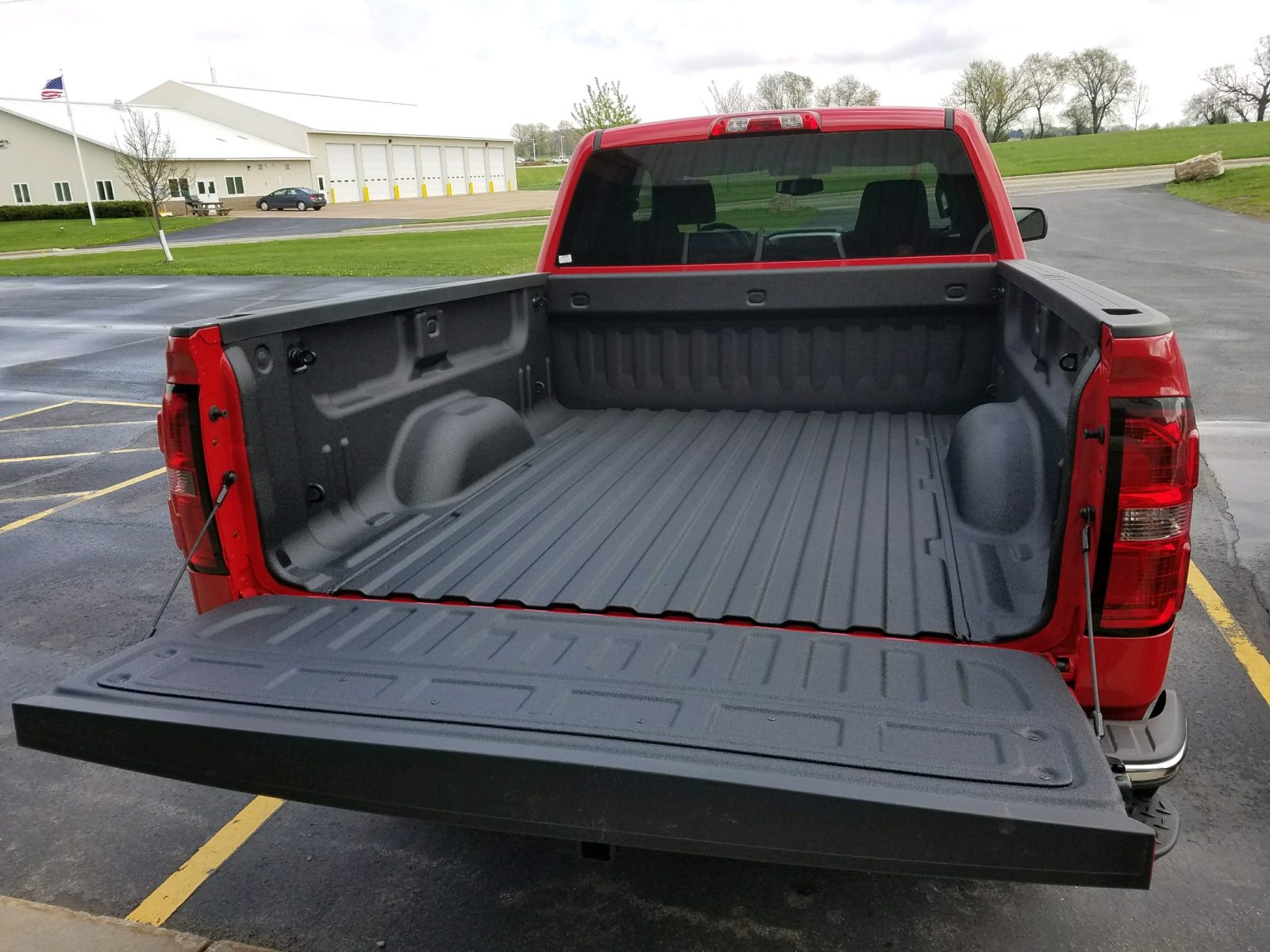
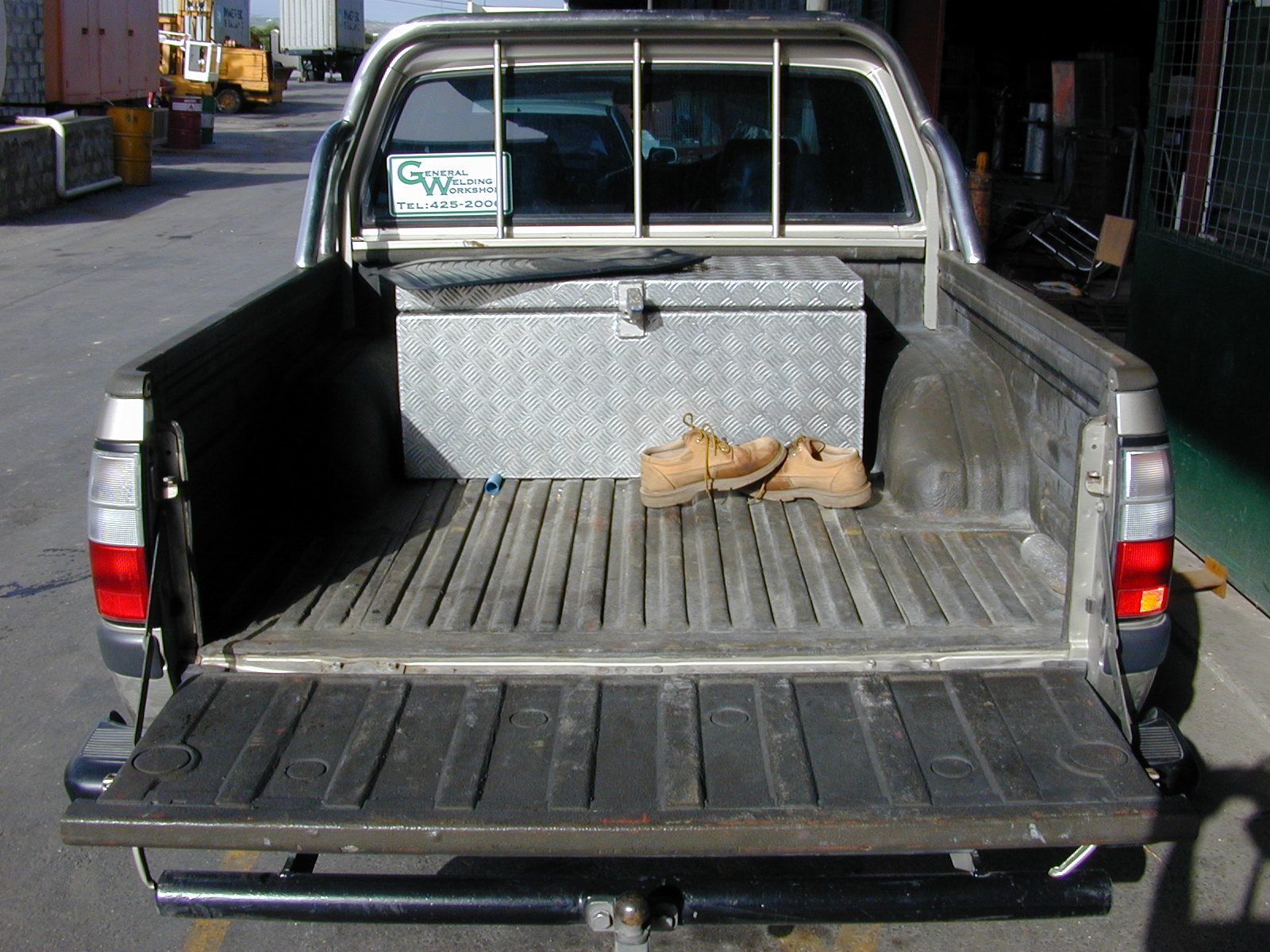
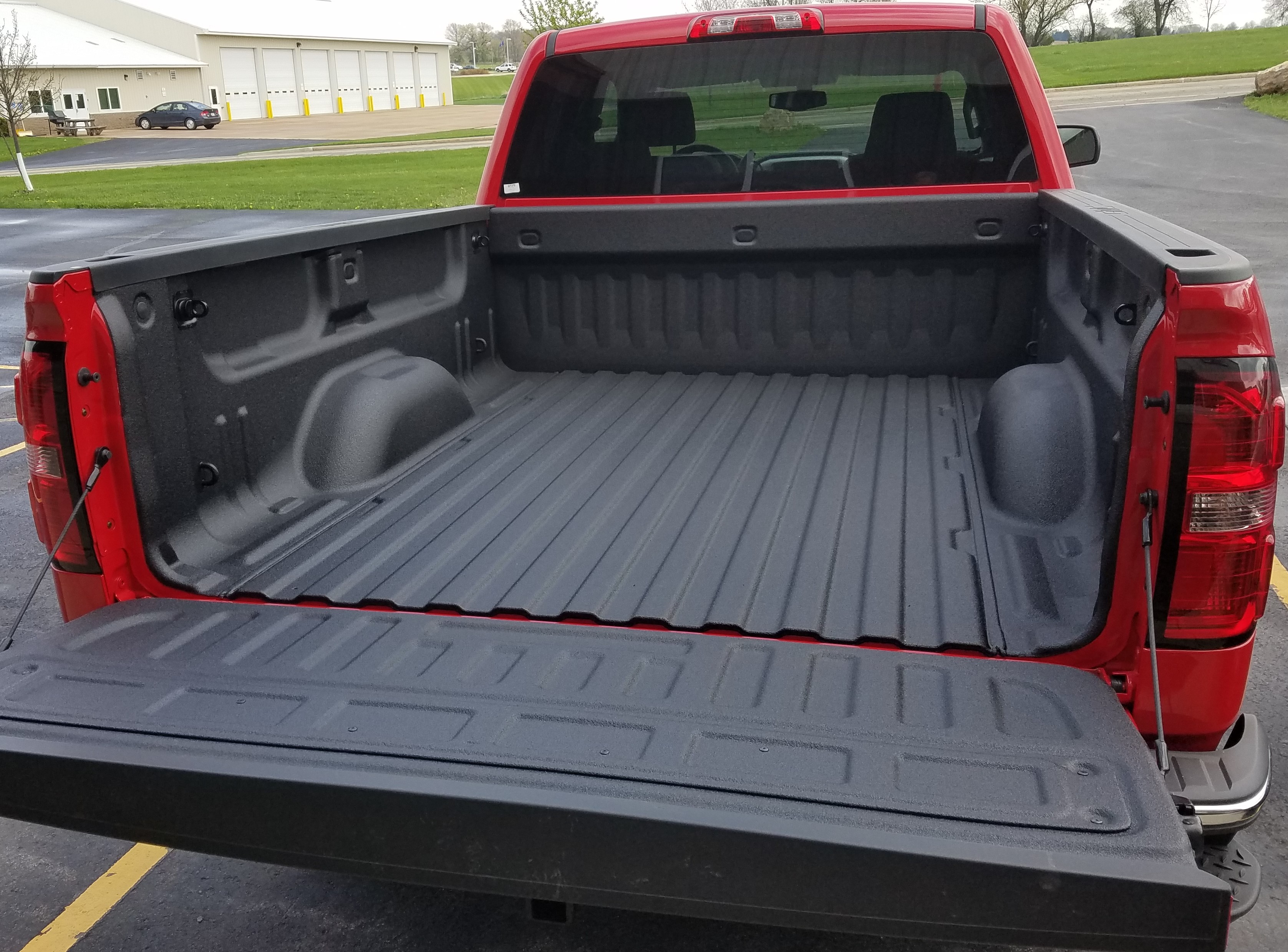
A work truck bed takes punishment from above and brine from below, and the two failure paths meet in the middle. Once cargo has scarred the bed floor coating, the salt that collects in the scar starts working on bare metal.
Spraying the bed and the underbody in the same visit closes that loop. There is no boundary between the bed liner and the underbody coating because it is one continuous membrane wrapping the floor, the walls, the stake pockets, the bolt holes, and the underside.
This is also where the drop-in comparison lands hardest: no gap, nothing to trap grit, nothing to unbolt and find corrosion behind.
Spec: FJ1 at 60–80 mil on bed floor, walls, tailgate, and rails; OR93BL at 30–40 mil on frame, crossmembers, and underbody.
Trailers & Towed Equipment
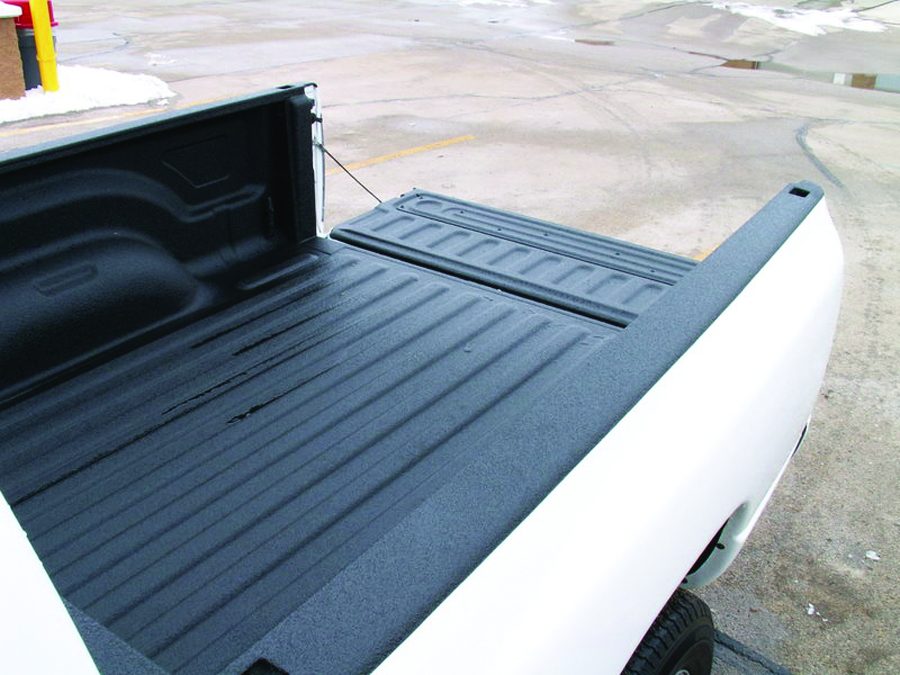
Trailers get the worst of it and the least attention. They sit lower in the spray pattern than the tow vehicle, they are usually stored outside, and nobody washes a trailer underbody.
The underframe, crossmembers, and the area around the axles and spring hangers are where the corrosion concentrates. Decks are a separate consideration — steel decks get the bed spec, wood decks get 7001 primer first and then a build that waterproofs the timber and adds grip.
Boat trailers are their own category: repeated salt water immersion means chloride verification is mandatory rather than advisable.
Spec: FJ1 at 60–80 mil on decking over 7001 where wood; OR93BL at 30–40 mil on frame, crossmembers, hangers, and tongue.
Dump Bodies & Aggregate Haulers
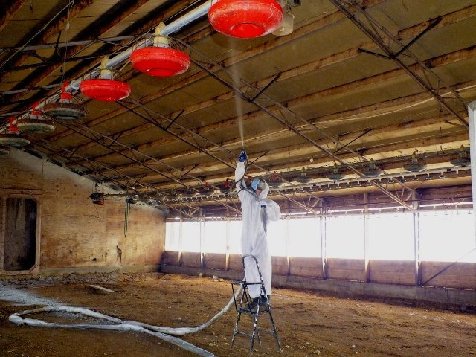
These need the wear grade, and the reason is straightforward: material sliding out of a dump body abrades the floor and tailgate continuously, and once the surface is scored, salt and moisture do the rest.
Flak Jacket Pro is specified for the body interior at higher build than anything else on the vehicle. The release characteristic is a secondary benefit operators notice quickly — sticky loads shed more cleanly off a smooth elastomeric surface than off scored steel.
Take a thickness reading on the floor plate before quoting. If years of aggregate have already thinned it, lining it just postpones the fabrication work.
Spec: Flak Jacket Pro at 80–120 mil on body interior and tailgate; FJ1 at 60 mil on exterior body and fenders; OR93BL at 30–40 mil on frame and chassis.
Classic Car & Project Restoration
Restoration work is the opposite of fleet work — one vehicle, unlimited attention, and an owner who cares intensely about doing it once and correctly.
The membrane goes on after all metalwork and welding are finished, and it lives underneath: floor pans, trunk floor, inner fenders, wheel wells, and frame. What it offers a restorer is a permanent bonded barrier that flexes with a body that will flex, and enough thickness to be a genuine sound-deadener as well.
It is not a body finish. Visible panels are automotive paint's job, and the aromatic product chalks in UV anyway. Underneath, where nobody is judging gloss, it is exactly right.
Spec: OR93BL at 30–40 mil on floor pans, trunk floors, and frame; FJ1 at 60 mil in wheel wells and rocker interiors. Applied after metalwork, before interior fitting.
Other Vehicles We Get Asked About
- Ambulances, fire apparatus, and emergency units — long service lives and high replacement cost make the case obvious
- School and transit buses — underframe and step wells, coated during scheduled maintenance
- Agricultural trucks and grain bodies — fertilizer residue behaves like road salt under a coating
- Service and utility bodies — compartment floors, tool boxes, and the frame beneath
- Horse and livestock trailers — floors and lower walls, where urine and washing concentrate
- RV and camper underframes — ask us about Repel Gel as well; gel undercoating adds rodent deterrence a hard membrane does not
- Car haulers and rollbacks — deck and ramp surfaces with a non-slip finish
Running a Fleet, or Restoring One Vehicle?
Both are worth a conversation. Send the unit type, the age, and where it runs, and we will spec it and either quote material or find you an applicator.
Get Underbody PricingGet Underbody Pricing
Tell us about your project and we will follow up with product details, technical data sheets, and pricing.